Apartment building boiler replacement
Domestic hot water boiler options, staged cutover and temporary hot water.
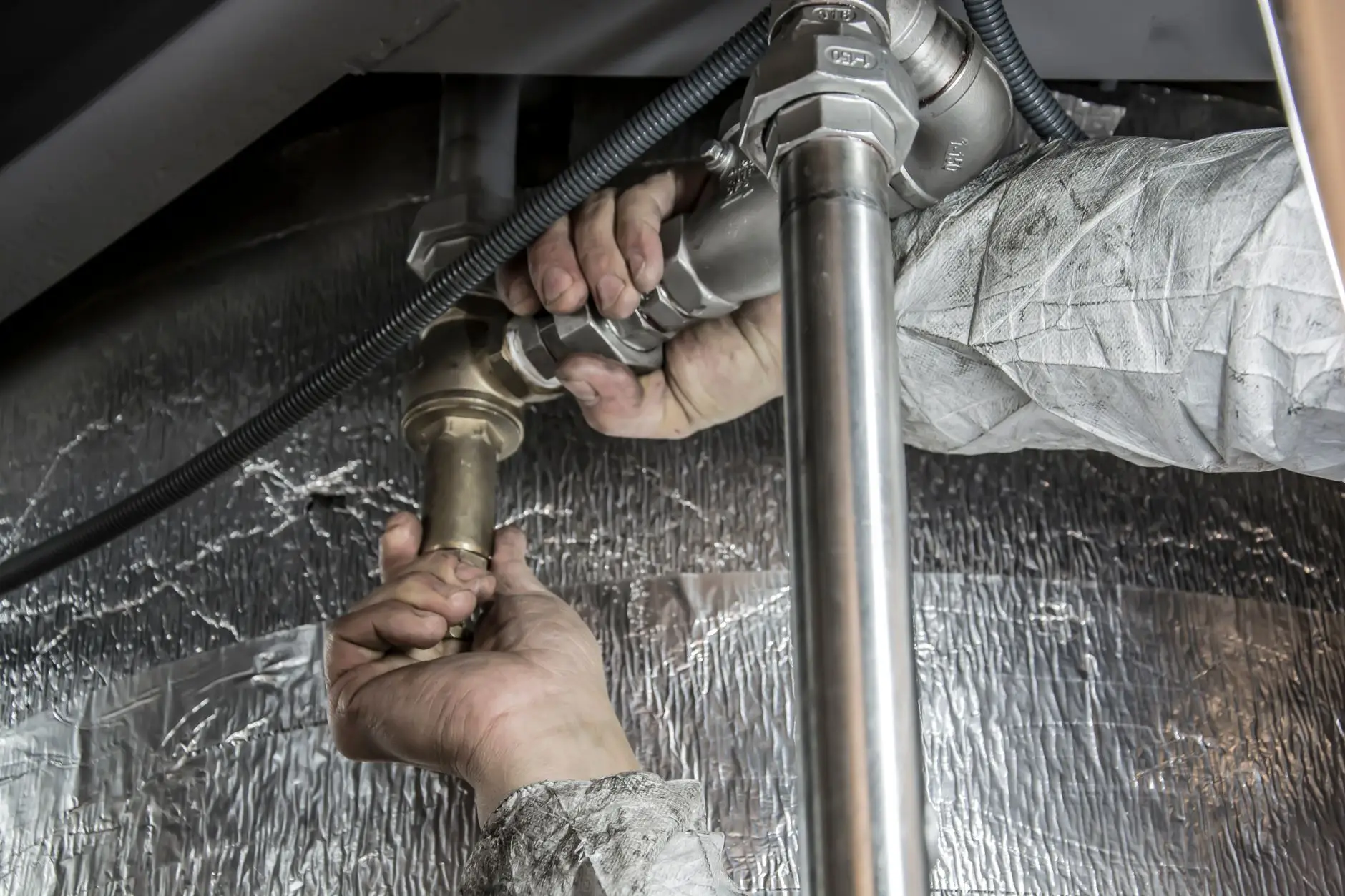
Replacing a central or multi-unit water heater plant while residents still need hot water. For California apartment, condo, senior and affordable housing buildings.
Multifamily buildings only. Not for restaurants, offices or retail.
Commercial water heater replacement in an apartment building is a different job from a restaurant or office. Dozens of households depend on one plant, so the cutover is planned around them, not around the equipment delivery.
Owners and managers of California multifamily buildings: apartments, condos and HOAs, senior housing and affordable housing. If you run a restaurant, office, hotel or other commercial building, this site is not the right fit.
Some problems point clearly to replacement. Others are worth a repair quote first.
| What you see | What it usually points to |
|---|---|
| Water leaking from the tank body | Replacement. A leaking storage tank shell generally cannot be repaired. |
| Leak at a valve, fitting or pipe | Often a repair. Have the leak located before deciding. |
| Residents run out of hot water at peaks | Could be failing equipment, a lost tank, a bad mixing valve or a recirculation fault. Investigate before upsizing. |
| Equipment near or past its expected service life | Plan the replacement now, while you can choose the timing. |
| Parts discontinued or hard to source | Replacement, before a failure leaves you waiting on parts. |
This site does not dispatch emergency crews. If a plant fails, these steps protect residents and make the permanent replacement faster.
Replace the existing heaters and tanks with current equivalents. Usually the smallest change, but the venting, gas supply and clearances still have to suit the new units.
Several tankless heaters on a common manifold, often with a buffer tank. Saves floor space, but needs enough gas supply and a vent for each unit.
Electric heat pumps with larger storage. A bigger project that depends on outdoor or ventilated space and electrical capacity. See central heat pump water heaters.
Don't size the new plant from the old nameplate. The old equipment may have been oversized, undersized, or sized for a building that has since changed.
A designer works from peak demand, storage and recovery, and recirculation losses. The commercial water heater sizing guide explains each input.
Water heater replacement in California needs a permit from the local building department. The state energy code (Title 24) and local air-district rules can affect which equipment is allowed and how it is installed. The contractor confirms the requirements for your address.
The price depends on what can be reused and how hard the site is to work in. The biggest drivers:
The assessment produces the actual number for your building. For more detail, read what drives replacement cost.
Requests are accepted from multifamily buildings anywhere in California. Contractor coverage is confirmed for each property when the request is reviewed.
No. This site covers multifamily residential buildings only: apartments, condos, senior housing and affordable housing in California. Restaurants, offices and other commercial buildings should contact a commercial plumbing contractor directly.
Sometimes. A like-for-like swap still has to meet current code, and the old model may be discontinued or no longer allowed in your air district. Venting, gas supply and clearances are checked before a direct swap is confirmed.
It depends on the scope: equipment lead time, permits, crane or access needs and how the cutover is staged. The contractor gives a schedule after the site survey. A like-for-like swap is usually shorter than a conversion to heat pumps.
No. If hot water has failed today, call your existing plumbing or service contractor first. Use the form when you are planning a replacement, including one that follows an emergency repair.
Domestic hot water boiler options, staged cutover and temporary hot water.
What drives the price of a boiler or water heater replacement, and how to get a firm quote.
Equipment types, storage, siting and electrical readiness for a central plant.
The inputs a designer needs to size central water heating for apartments.
California programs to check, with dated status and an eligibility checklist.
The three ways apartment buildings make hot water, and how to choose.
Send the building details once. Qualified requests go to a California contractor partner for a free, no-obligation assessment and quote.
The assessment and quote are free, with no obligation. Tell us about the building and the hot water equipment that serves it. An uncertain equipment age is fine.
This form is not an emergency dispatch service. If hot water has stopped, use the building's existing maintenance contacts.