Apartment building boiler replacement
Domestic hot water boiler options, staged cutover and temporary hot water.
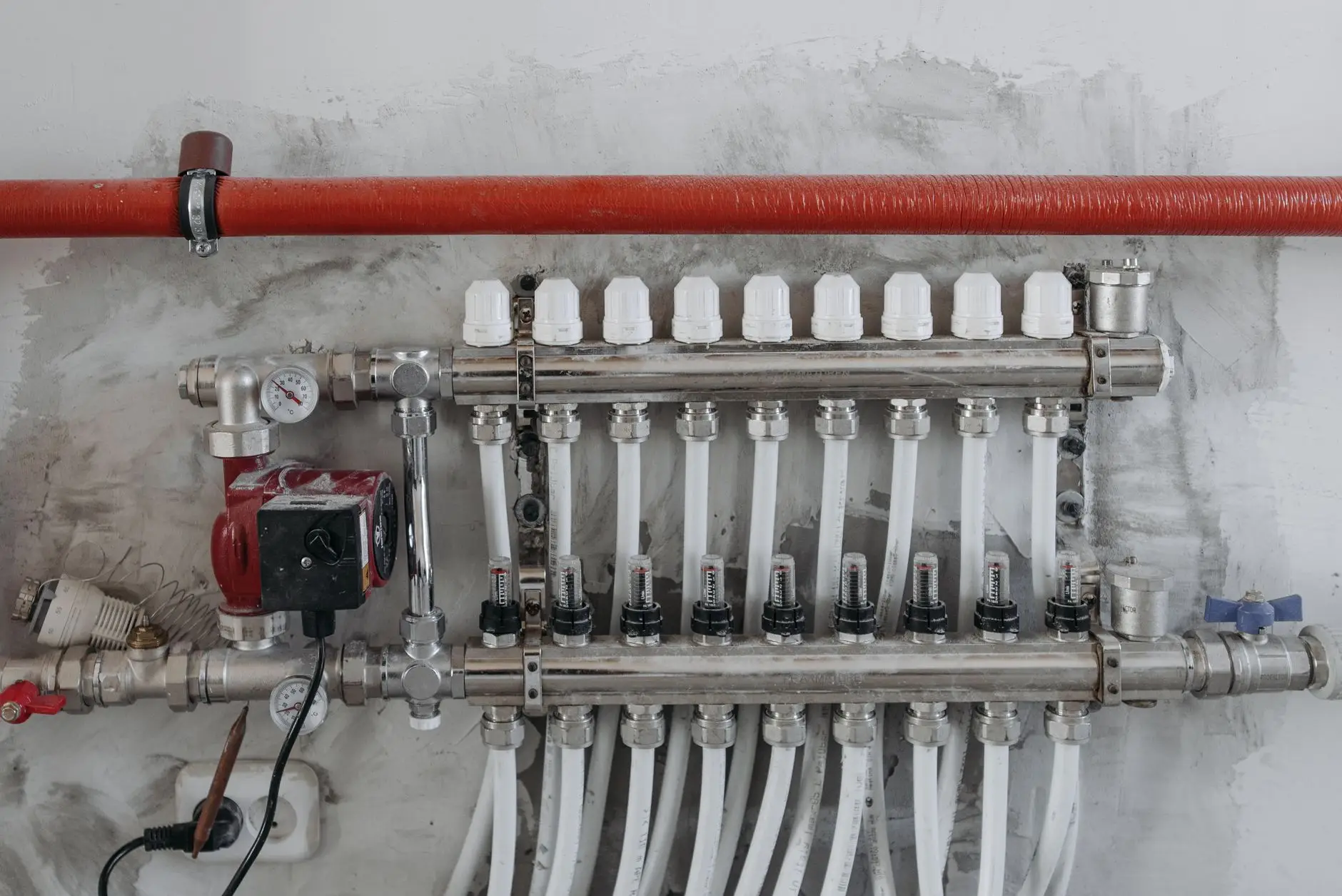
What moves the price of a boiler or central water heater replacement, and what to have ready so a contractor can give you a firm number.
Commercial boiler replacement cost in an apartment building depends more on the site than on the boiler. Venting, gas supply, access and the cutover plan often move the price as much as the equipment does.
This page gives no price ranges. Published figures for commercial boilers mix residential, industrial and out-of-state jobs, so they are a poor guide for a California apartment building. The assessment produces the actual number for your property.
Unit count changes which costs dominate, not just how big the total is.
| Building size | What tends to drive cost |
|---|---|
| 5–20 units | Often one or two heaters or a small boiler. Fixed costs such as permits, venting and mobilization are a large share of the total. |
| 20–50 units | Storage tanks, recirculation and the cutover plan start to matter more. Staged replacement becomes an option. |
| 50+ units | Multiple boilers or heaters, larger tanks, rigging or crane lifts, and temporary hot water planning carry more weight. |
| Driver | Why it matters |
|---|---|
| Equipment | Boiler or water heater type, number of units and efficiency class. |
| Venting | Condensing equipment usually needs new vent materials and routing. Long or rooftop runs add work. |
| Gas supply | New equipment may need a larger gas line or meter. The utility may be involved. |
| Storage tanks | Reusing sound tanks saves money; replacing corroded ones adds cost but removes a failure point. |
| Crane or access | Rooftop or basement plants, narrow stairs and tight doors can mean rigging or a crane lift. |
| Permits | Building permits and any air-district requirements for the new equipment. |
| After-hours labor | Nights and weekends protect residents but cost more. |
| Temporary hot water | Rental equipment, connections and the labor to set it up and remove it. |
| Electrical work | Only for heat pump conversions: service capacity, panels and circuits. |
Comparing first cost alone favors the gas boiler in most buildings. A lifecycle comparison looks at more:
The central heat pump guide explains what a conversion involves.
An incentive only counts once it is reserved for your project. Many programs open and close, or run out of funding. Check the multifamily water heater rebates page for status, and don't build a budget around a program until the administrator confirms it.
Have these ready. The more you can share, the fewer surprises in the proposal.
It depends on the equipment, how much of the existing venting, gas piping and tanks can be reused, access to the plant room and how the cutover is handled. Two buildings with the same unit count can get very different quotes. A site survey is the only reliable way to price it.
Unit count is a starting point, not a price. A 75-unit building with an accessible ground-floor plant room and reusable venting will price very differently from one with a rooftop plant and a crane lift. The assessment produces a number for your building.
Quotes often cover different scopes. One may reuse tanks and venting while another replaces them, or one may include temporary hot water and after-hours work while another leaves them out. Ask each contractor to list what is included and excluded.
The first cost of a central heat pump conversion is usually higher because of larger storage and electrical work. Operating cost, maintenance and any available incentives change the comparison over the life of the system, so compare complete scopes.
Domestic hot water boiler options, staged cutover and temporary hot water.
Replacing central or multi-unit water heaters in an occupied building.
Equipment types, storage, siting and electrical readiness for a central plant.
California programs to check, with dated status and an eligibility checklist.
The three ways apartment buildings make hot water, and how to choose.
Send the building details once. Qualified requests go to a California contractor partner for a free, no-obligation assessment and quote.
The assessment and quote are free, with no obligation. Tell us about the building and the hot water equipment that serves it. An uncertain equipment age is fine.
This form is not an emergency dispatch service. If hot water has stopped, use the building's existing maintenance contacts.